

Tesla Powerwall review
By My Energy Mate Editorial · Last updated
8.6/10

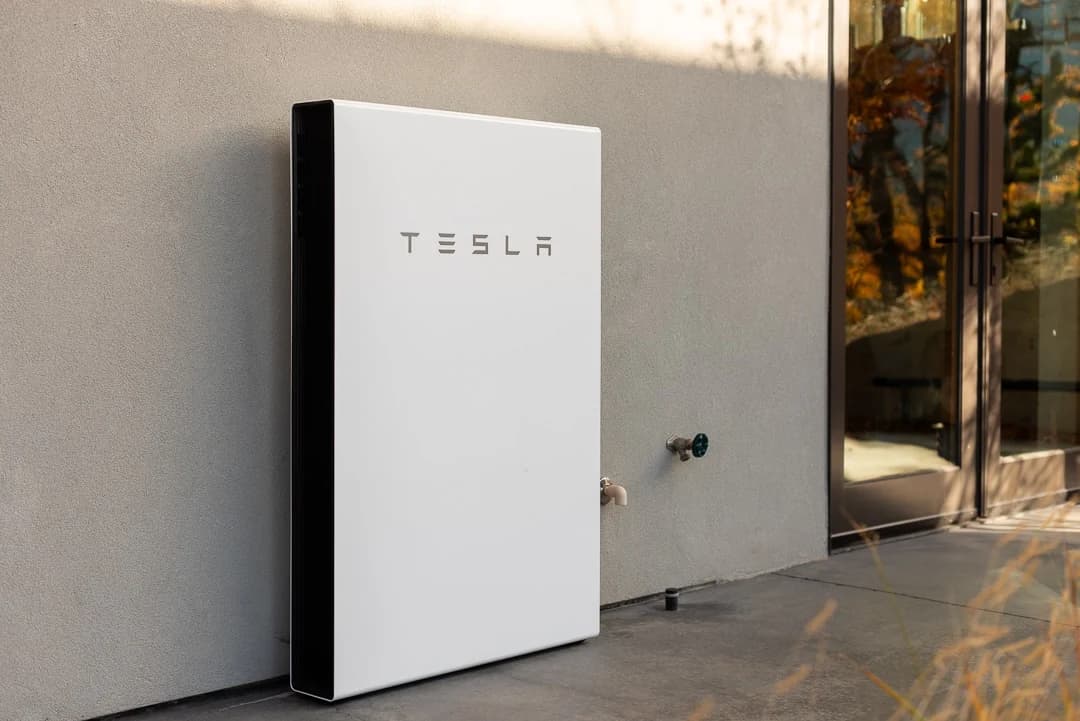
The Tesla Powerwall 3 is a 13.5 kWh integrated battery-and-inverter system costing roughly A$12,500 to A$15,500 installed in Australia as of August 2026. It suits households wanting whole-home backup and a polished app, but its fixed size and premium price mean modular rivals often deliver cheaper storage per kWh.

Cons
- Fixed 13.5 kWh size, expansion requires another full unit
- Premium price per usable kWh
- NMC-adjacent pack runs warmer than LFP rivals
 Fixed 13.5 kWh size, expansion requires another full unit
Pros
- Integrated 11.04 kW hybrid inverter simplifies installation
- Whole-home backup with fast switchover
- Best-in-class app and over-the-air updates
- Strong installer network and resale recognition
 Integrated 11.04 kW hybrid inverter simplifies installation
Tesla Powerwall models and prices
| Model | Usable kWh | Power kW | Chemistry | Warranty | Backup | Installed price | $/kWh |
|---|---|---|---|---|---|---|---|
| Tesla Powerwall 3 | 13.5 | 11.04 | NMC/LFP hybrid pack | 10 yrs | Yes | A$12,500–A$15,500 | A$1037 |
Prices: installed with hybrid inverter, before applicable rebates.
Additional things to note about Tesla Powerwall?
The main disadvantages of the Tesla Powerwall 3 are its fixed capacity, premium pricing per kilowatt-hour, and limited third-party inverter flexibility. You cannot add storage in small increments: expansion means a second 13.5 kWh unit. Households with smaller budgets or modest evening usage often get better value from modular LFP systems such as Sigenergy or GoodWe.
Compare against every rival in the full battery comparison table.

